About the Temple
Discover the sacred history, divine architecture, and spiritual significance of Baba Baidyanath Dham.

A Legacy of Devotion
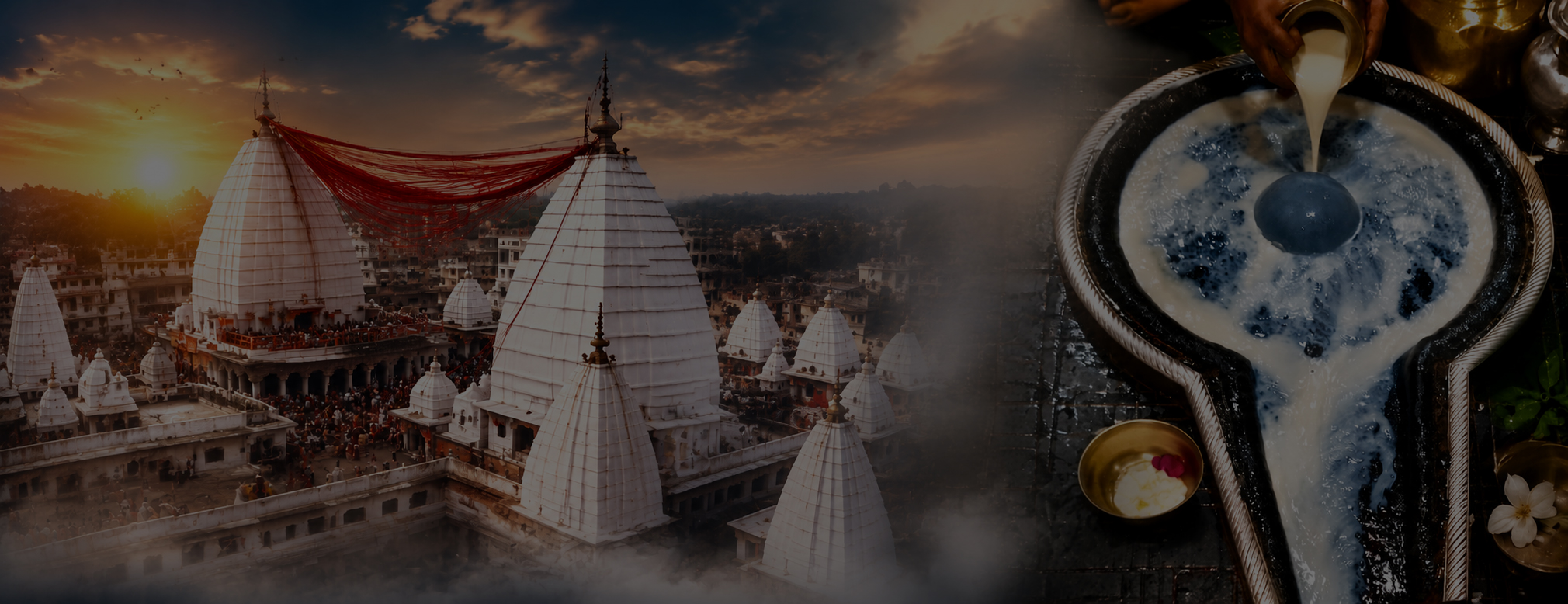
Baba Baidyanath Dham is one of the twelve Jyotirlingas of Lord Shiva, located in Deoghar, Jharkhand. The temple has been a sacred pilgrimage site for over a millennium, drawing millions of devotees each year.
The name Baidyanath comes from “Vaidya” meaning physician, as Lord Shiva is believed to have healed Ravana here. The temple is also known as Kamana Linga, as it is believed that wishes of sincere devotees are fulfilled here.
The present temple structure dates back to the medieval period, with contributions from various rulers over the centuries. The temple trust now manages the complex, ensuring its preservation and the welfare of pilgrims.
The temple complex is spread over a large area and features stunning architecture that reflects the rich cultural heritage of ancient India. The main shrine is surrounded by 22 smaller temples dedicated to various deities, each with its own significance and history.
The annual Shravani Mela, held during the Hindu month of Shravan, is the largest pilgrimage event at the temple. Devotees from all over India and abroad visit Deoghar to offer holy Ganga water to the Jyotirlinga, walking barefoot over 100 kilometers from Sultanganj to Deoghar in a display of unwavering faith and devotion.
Sacred Design & Structure
The temple showcases classic Nagara-style architecture with intricate carvings and a towering shikhara.
Main Shrine
The sanctum houses the Jyotirlinga with a pyramidal shikhara rising above, adorned with traditional carvings.
22 Shrines
The complex includes 22 shrines dedicated to various deities including Lord Ganesha, Maa Parvati, and others.
Ancient Inscriptions
The temple walls bear ancient inscriptions and carvings that document its rich spiritual heritage.
Key Information
Essential facts about the temple and its significance
Jyotirlinga
9th of 12 sacred Jyotirlingas
Deity
Lord Shiva as Vaidyanath (Divine Healer)
Location
Deoghar, Jharkhand, India
Built
Ancient origins, current structure ~12th century
Architecture
Nagara style with pyramidal shikhara
Complex
22 shrines including 9 other deities
Jai Durga Shakti Peetha
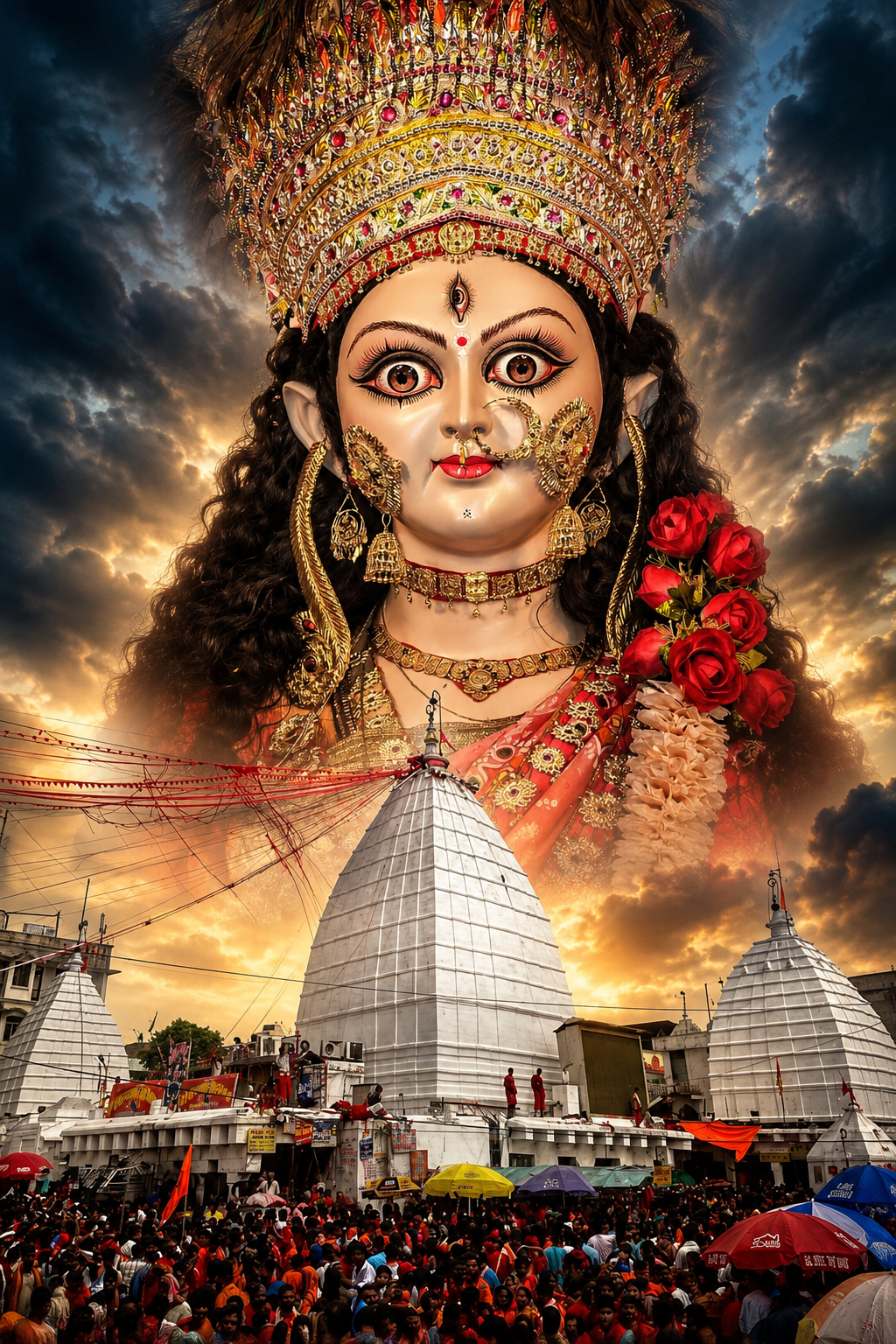
Jai Durga Shakti Peetha (Hridaya Peetha) is one of the 51 sacred Shakti Peethas in Hindu tradition and is located within the revered Baba Baidyanath Dham Temple Complex in Deoghar, Jharkhand. Dedicated to Goddess Jaya Durga, a powerful form of Goddess Parvati, this holy shrine attracts thousands of devotees throughout the year who seek divine blessings, peace, and spiritual fulfillment.
According to Hindu mythology, after the self-immolation of Goddess Sati, Lord Shiva wandered the universe carrying her body in deep sorrow. To restore cosmic balance, Lord Vishnu used his Sudarshan Chakra to dismember Sati's body, and the places where her body parts fell became the revered Shakti Peethas. It is believed that the heart (Hridaya) of Goddess Sati fell at this sacred site, making it one of the most spiritually significant centers of Shakti worship.
The temple is a symbol of divine feminine energy, strength, compassion, and devotion. Devotees visit the shrine to perform puja, offer flowers and prayers, and seek the blessings of Goddess Jaya Durga for health, prosperity, courage, protection, and inner peace. Many pilgrims believe that worship at the Hridaya Peetha helps remove obstacles and brings spiritual growth and positive energy into their lives.
The Jai Durga Shakti Peetha is situated within the Baba Baidyanath Dham Temple Complex, alongside the sacred Baba Baidyanath Jyotirlinga, one of the twelve Jyotirlingas dedicated to Lord Shiva. Pilgrims traditionally visit both shrines during their pilgrimage, making the journey spiritually complete and deeply fulfilling.
The Divine Feminine Energy
Strength, compassion, and devotion at the Hridaya Peetha
Symbol of Shakti
The temple is a symbol of divine feminine energy, strength, compassion, and devotion.
Blessings of Jaya Durga
Devotees seek blessings for health, prosperity, courage, protection, and inner peace.
Spiritual Growth
Worship at the Hridaya Peetha helps remove obstacles and brings positive energy into lives.
Key Information
Essential facts about Jai Durga Shakti Peetha
Shakti Peetha
51 sacred Shakti Peethas
Deity
Goddess Jaya Durga
Location
Inside Baba Baidyanath Dham Complex
Significance
Heart (Hridaya) of Goddess Sati fell here
Experience the Divine
A visit to Jai Durga Shakti Peetha (Hridaya Peetha) is a deeply enriching spiritual experience. Surrounded by the sacred atmosphere of Baba Baidyanath Dham, the temple reflects centuries of faith, mythology, and devotion. Whether you are a pilgrim seeking blessings or a traveler exploring India's spiritual heritage, this holy shrine offers a profound sense of peace, reverence, and divine connection.
Sacred Stories
The divine legends that make Baidyanath Dham one of the most revered Jyotirlingas
Ravana's Penance
Ravana performed intense penance and offered his ten heads to Lord Shiva, seeking the Atmalinga as a boon.
The Divine Healer
Pleased with Ravana's devotion, Shiva healed his wounds, earning the name Baidyanath — the Lord of Physicians.
The Jyotirlinga Manifests
Lord Shiva manifested as a Jyotirlinga at Deoghar, making it one of the most sacred abodes of Mahadev.
The Shravani Pilgrimage
Devotees carry holy Ganga water from Sultanganj to Deoghar, walking over 100 km barefoot during Shravan.